Website EditionThese client briefs turn MARPI service information and national/clinical guidance into easier-to-read website updates. Official PDF newsletter issues can be added to this archive as they become available.
165,550HIV tests highlighted in the 2025 report
10,097PrEP initiations highlighted in the 2025 report
8,896HIV self-test kits highlighted in the 2025 report
98.1%Viral suppression highlighted in the 2025 report
FEATURED PUBLICATION
MARPI 2025: Services, Community & Results
The Annual Report provides the strongest source for MARPI's current organisational and programme highlights.
OFFICIAL MARPI PUBLICATION2025 ANNUAL REPORT
What MARPI Delivered in 2025
MARPI's 2025 report describes comprehensive HIV prevention, care and treatment services for key and priority populations, strengthened community participation, organisational capacity building, advocacy, research and innovation.
Open any brief for a concise explanation, then use the FAQ or service pages when you need more detail.
CLIENT BRIEF • HIV PREVENTION
Know Your HIV Prevention Choices
HIV prevention works best when clients can combine testing, condoms, PrEP, PEP, STI services and informed choices that fit their lives.
Test at the right time and understand the window period.
PrEP is used before exposure; PEP is an emergency option after exposure.
Condoms remain important for STI and pregnancy prevention.
PrEP is not one-size-fits-all.
MARPI can counsel eligible clients about Daily Oral PrEP, Event-Driven PrEP, DVR, CAB-LA and Lenacapavir depending on current availability and clinical suitability.
PEP is urgent.
After a qualifying HIV exposure, PEP should be started as early as possible and no later than 72 hours. If exposure risk is ongoing, ask whether transition to PrEP is appropriate.
Combine prevention.
PrEP prevents HIV but does not prevent most other STIs or pregnancy. Testing, condoms, STI services and SRHR support may all be part of a complete prevention plan.
STI, SRHR & Cervical Cancer: One Connected Health Conversation
Sexual health is broader than HIV. STI care, family planning, pregnancy planning and cervical cancer prevention can be addressed together.
Some STIs have no symptoms.
Contraception and STI/HIV prevention are different needs.
Cervical cancer screening is especially important for women living with HIV.
Do not wait for symptoms.
Some STIs can be present without obvious signs. Testing and assessment should be based on symptoms, exposure and clinical advice.
Plan reproductive health with confidence.
Family planning, pregnancy intentions and HIV prevention or treatment can be discussed in the same care plan.
Screen early.
Cervical cancer screening can identify precancerous changes before they progress. Your screening schedule depends on age, HIV status, previous results and the method used.
After Violence: Health Care, Safety & Support Come First
Gender-based violence can be physical, sexual, emotional, controlling or economic. Survivors deserve confidential, respectful health care and support.
Seek urgent medical care after sexual violence.
HIV PEP should begin as early as possible and within 72 hours.
Medical care should not be delayed while deciding about police or legal action.
Health care is time-sensitive.
Post-sexual-violence care can include injury assessment, HIV testing and PEP, STI care, emergency contraception, counselling and referral support.
Safety is individual.
If violence is ongoing, a provider can help you think through immediate safety, trusted support and referral options without pressuring you into a decision that may increase danger.
GBV affects different people.
Women and girls carry a major burden of GBV, but men, boys and gender-diverse people can also experience sexual or gender-based violence and deserve compassionate care.
Closer to Communities: DICs, Outreach & Integrated Services
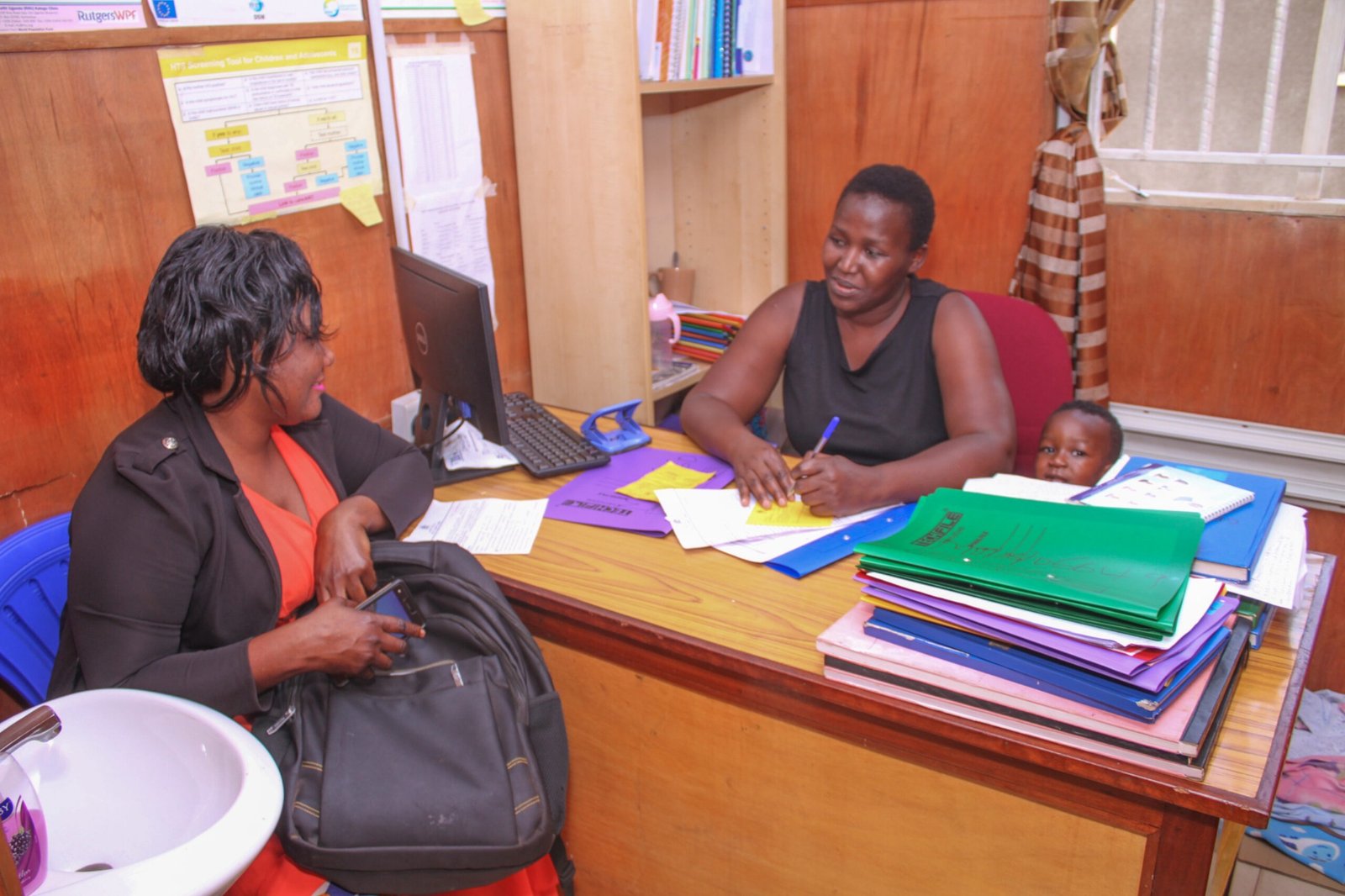
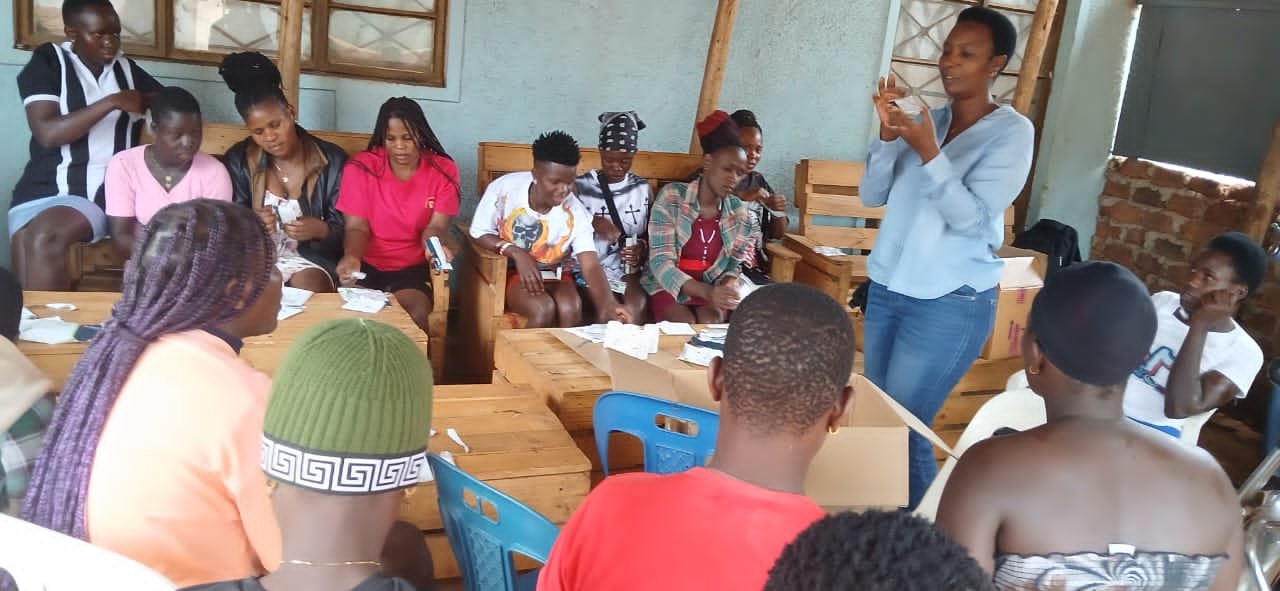
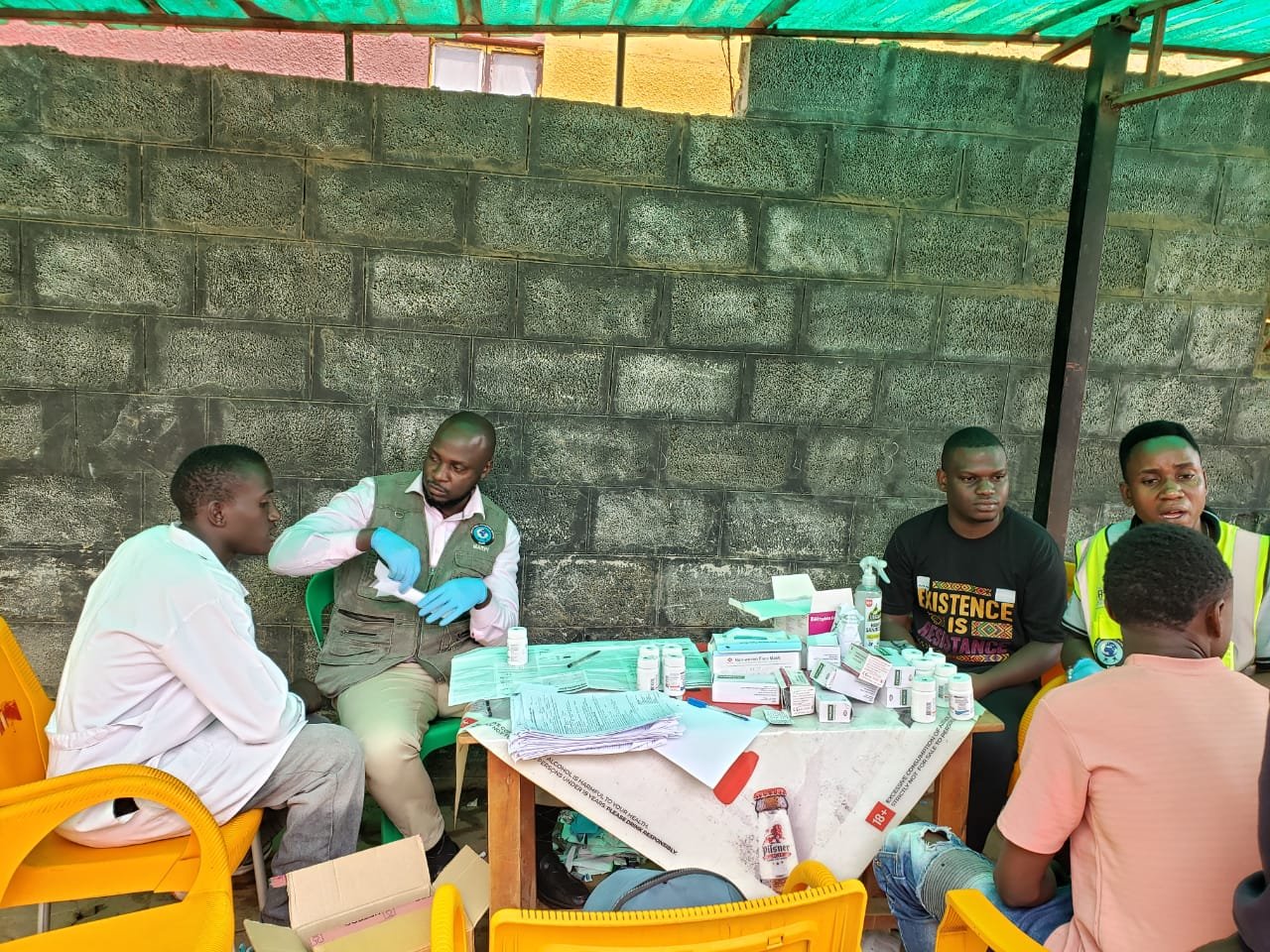
MARPI uses DICs, community outreach and health-facility partnerships to reduce geographic, financial and social barriers to HIV and related services.
Use the Contact Us map to locate the nearest DIC.
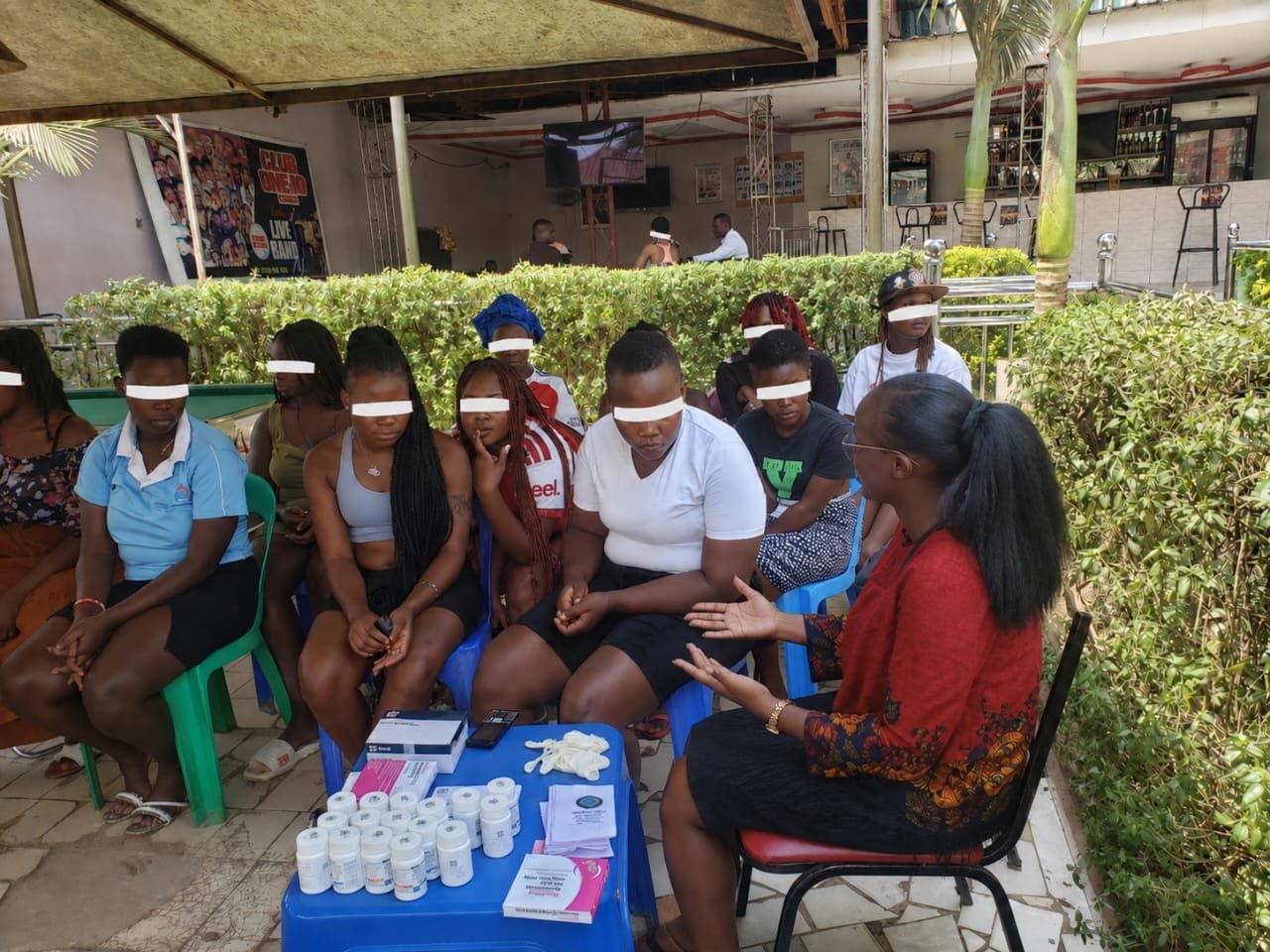
Outreach can combine several prevention and clinical services.
Community-led approaches help connect people who face stigma or access barriers.
Services beyond the clinic.
Community approaches can include HIV testing, TB screening, condoms and lubricants, STI services, family planning, cervical cancer screening, PEP and referral depending on the outreach package.
Use the map.
The MARPI Contact Us page lists 30 DIC/service points and provides map directions. Check the specific service point before travel because available services may differ.
Testing With Confidence: Facility Testing and HIV Self-Testing
Whether you test with a provider or use an HIV self-test, understanding the result and the correct next step is essential.
A reactive self-test is not a final HIV diagnosis.
Recent exposure may require repeat testing because of the window period.
Support is available for confirmatory testing, treatment or prevention.
Know what the result means.
An HIV self-test is a screening tool. A reactive result needs confirmatory testing using the approved testing algorithm.
Timing matters.
A recent exposure may fall within the test window period. Tell the provider when the exposure occurred so they can advise repeat testing and whether PEP is still an option.
Testing should connect to care.
A confirmed positive result should link promptly to treatment; a negative result can be connected to PrEP and other prevention services when appropriate.