Listen to Communities
Use community insight, peer networks and data to understand barriers and service preferences.
MARPI PROGRAMMES
Tailored services for communities facing higher HIV burden and barriers to care.
MARPI was founded to address gaps in focused, targeted and high-quality services for key and priority populations. The programme combines biomedical, behavioural and structural interventions with community participation and stigma-free service delivery.

WHAT THE PROGRAMME DOES
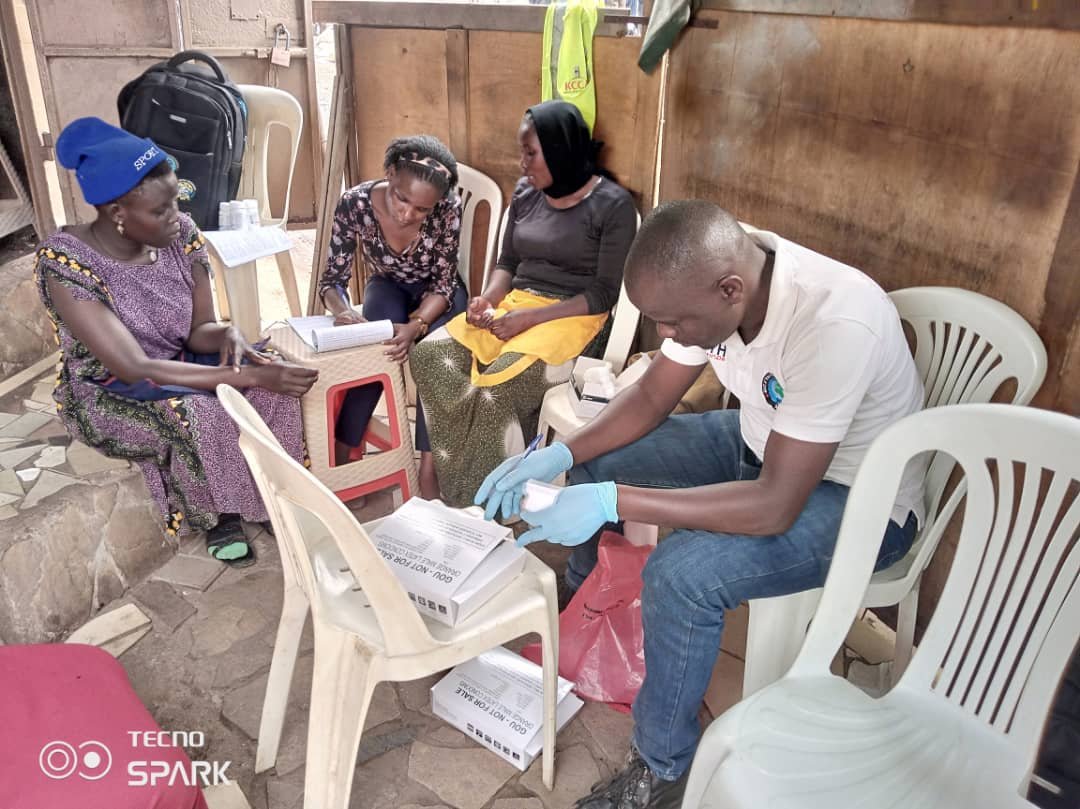
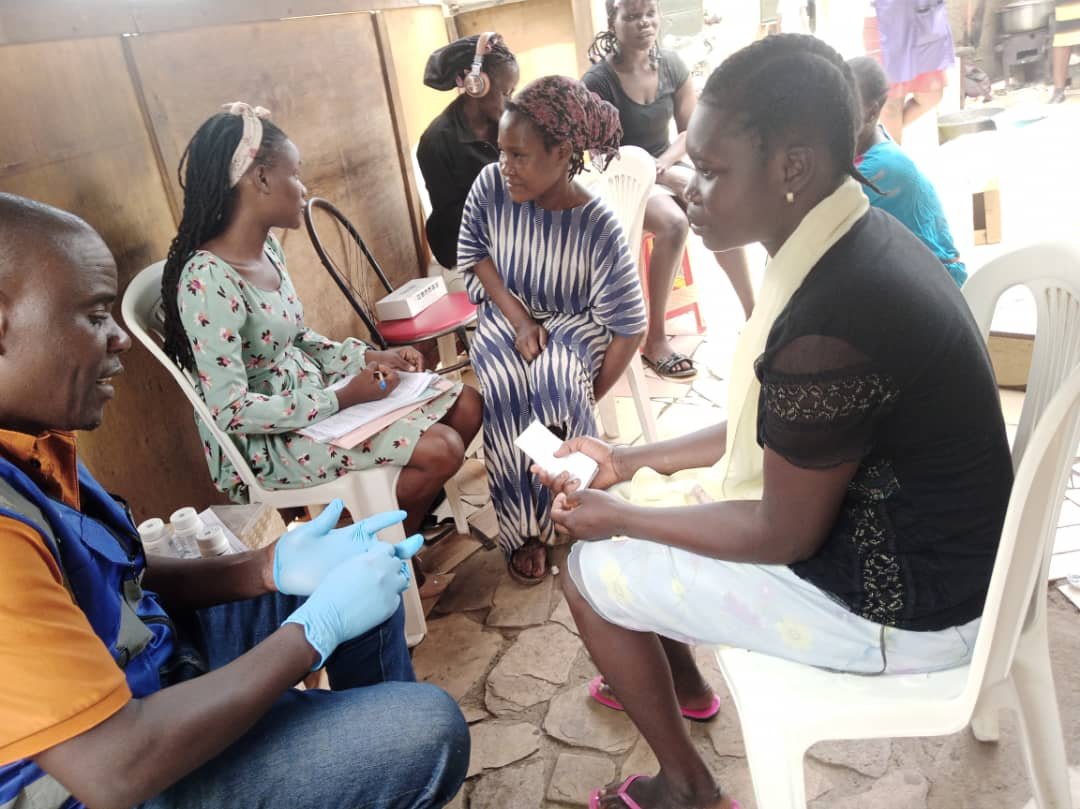
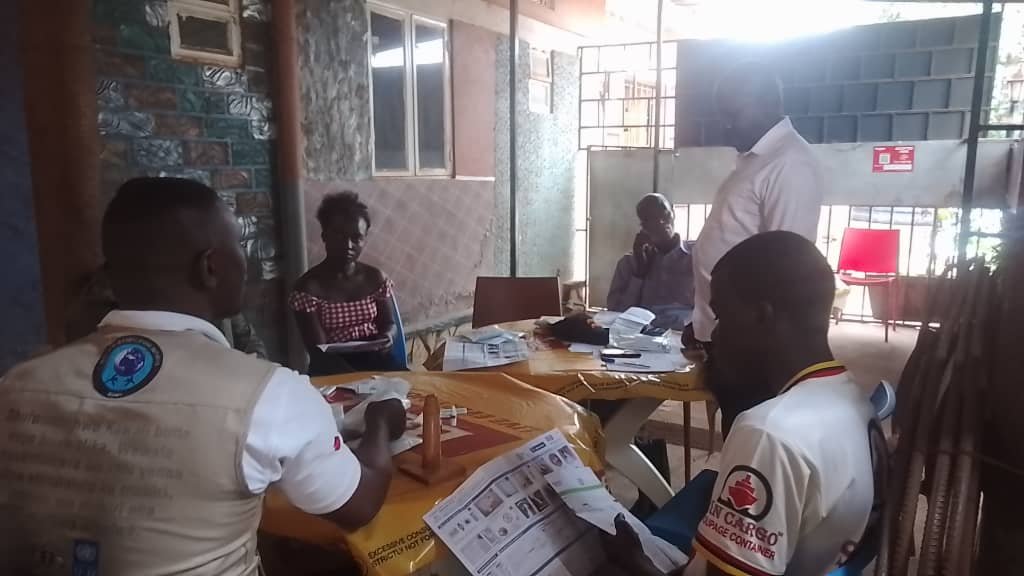
MARPI combines community relationships, health-facility systems, differentiated service delivery and routine data so programmes do not stop at mobilisation—they connect people to prevention, treatment, referral and follow-up.
IMPLEMENTATION MODEL
The programme is organised as a connected pathway from understanding community need to delivering services, following up clients and using data for improvement.
Use community insight, peer networks and data to understand barriers and service preferences.
Choose facility, DIC, outreach, peer-led or differentiated approaches for each context.
Offer a broad package rather than a single isolated intervention.
Work with CBOs, CSOs, peers and local structures to build ownership and capacity.
Use advocacy, dialogue and referral to reduce stigma, discrimination and structural barriers.
Monitor reach, service cascades, quality and community feedback to improve programmes.
CORE COMPONENTS
These are the main operational components clients, communities and partners are likely to see during implementation.
Tailored prevention, testing, treatment, SRHR and community support according to programme eligibility and need.
Confidential prevention and care linked with STI, PrEP, testing and peer-led access.
Responsive prevention packages, community linkage and support to reduce barriers to health services.
Integrated prevention and linkage approaches adapted to drug-use context and programme scope.
MARPI also reaches other priority and vulnerable groups where programmes identify unmet HIV/SRH needs.
CBOs, CSOs, peer leaders and networks contribute to mobilisation, service design, accountability and follow-up.
CONNECTED PROGRAMMES
MARPI programmes are designed to reinforce each other rather than work as separate silos.
Use Care Connect for services, or contact MARPI to reach a DIC, programme team or referral point.