01 • COMMUNITY-LED MONITORING
Communities Generate Evidence
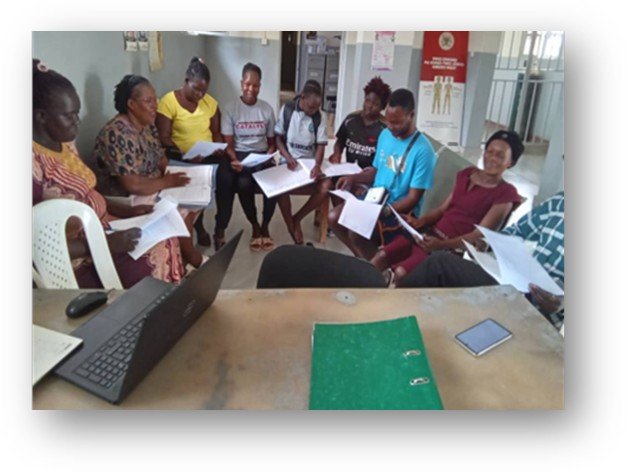
Supported CBOs and CSOs engage service providers, collect and analyse community information, validate findings, give feedback, identify service gaps and follow up agreed corrective actions.
MARPI PROGRAMMES
Communities help identify problems, shape solutions and hold services accountable.
MARPI's community empowerment approach strengthens community participation, leadership, accountability and ownership of health programmes. It combines Community-Led Monitoring (CLM), capacity building, community dialogues, stakeholder engagement, advocacy, peer structures and follow-up on agreed actions.
COMMUNITY EMPOWERMENT MODEL
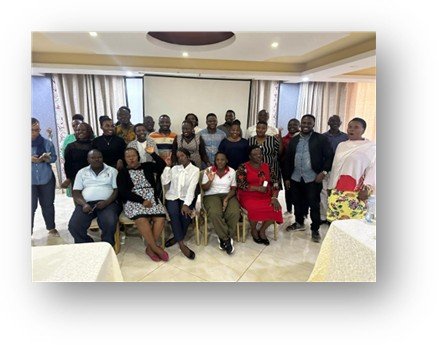
The 2025 Annual Report shows that community empowerment is not a single meeting or outreach. MARPI combines community monitoring, stronger organisations, dialogue and stakeholder action to improve access, quality and accountability.
Supported CBOs and CSOs engage service providers, collect and analyse community information, validate findings, give feedback, identify service gaps and follow up agreed corrective actions.
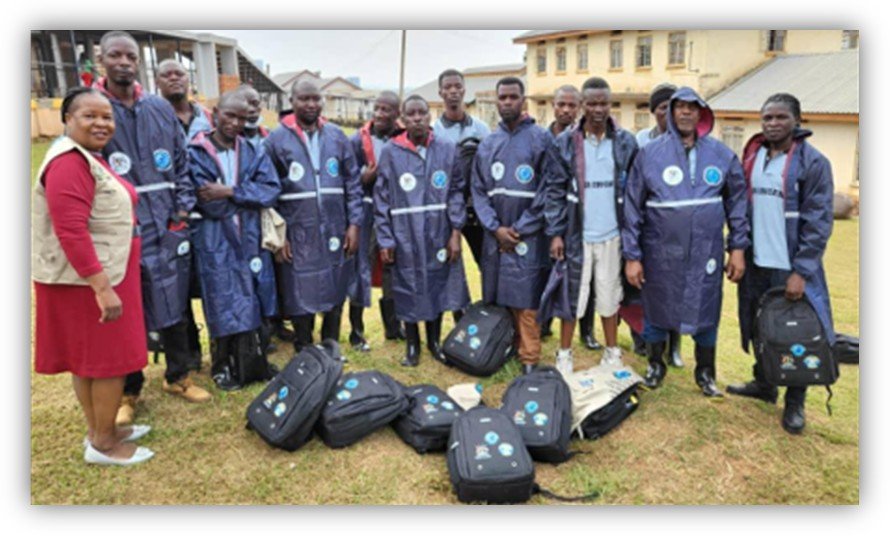
MARPI provides mentorship, coaching and supportive supervision so CSOs/CBOs strengthen systems, governance, financial management, service quality and adherence to programme standards.
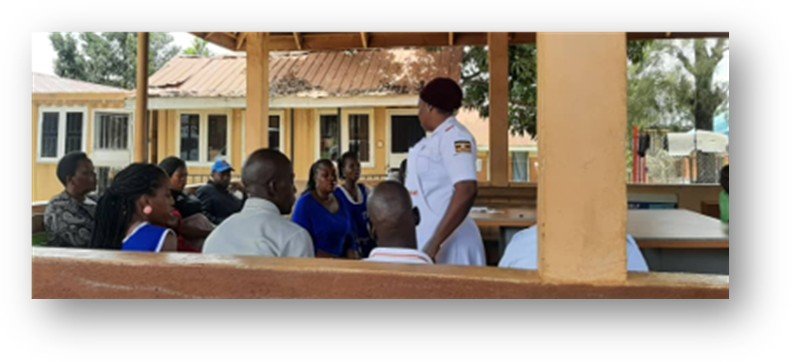
Facility-based dialogues create supportive platforms for peer-led discussion, information sharing, community feedback and access to basic HIV-prevention information and services.
MARPI works with district health teams, health facilities, DICs, peer leaders, CBOs/CSOs and implementing partners to validate issues, coordinate solutions and strengthen referral, quality and accountability.
COMMUNITY-LED MONITORING
Under the 2025 Global Fund GC7 work, MARPI supported CSOs/CBOs to conduct Community-Led Monitoring in selected health facilities and Drop-in Centres using a cycle that moves from engagement and community evidence to advocacy and follow-up.
Engage community organisations, service providers, facilities and relevant local stakeholders before monitoring starts.
Orient service providers and participating structures on the monitoring process, purpose and expected collaboration.
Communities gather information on service experience, access barriers, quality gaps and priorities for improvement.
Findings are analysed and discussed through validation and feedback meetings to confirm the issues that need action.
Validated service gaps are translated into focused advocacy with the stakeholders who can address them.
MARPI and community partners follow up agreed actions so CLM leads to service improvement rather than stopping at data collection.
CAPACITY BUILDING
The 2025 report describes continuous mentorship, coaching and supportive supervision for CSOs and CBOs. Capacity building strengthens the knowledge, skills and organisational systems needed to deliver quality, context-specific services and sustain community-led action.
DIALOGUE + STAKEHOLDER ACTION
Community dialogues and stakeholder engagement give MARPI a practical bridge between what communities experience and what service providers, districts and partners can change.
Peer-led discussions and community feedback make service barriers visible to programme teams and decision-makers.
Community evidence supports advocacy to reduce stigma, discrimination and structural barriers to services.
Districts, facilities, DICs, CBOs/CSOs, peer leaders and implementing partners coordinate around identified needs and referrals.
Validation, feedback and follow-up help move agreed actions from discussion into measurable service improvement.
CONNECTED PROGRAMMES
CLM, dialogue, community capacity and stakeholder action strengthen prevention, outreach, peer mechanism, key population programming and service quality across MARPI.
Connect with MARPI for services, community engagement, programme partnerships or information about the nearest DIC.