Community Insight & Empowerment
Engage peers, CBOs, clients and local stakeholders; use dialogue and Community-Led Monitoring to understand barriers and shape solutions.
OUR PROGRAMMES
MARPI programmes connect community insight, peer-led access, integrated service delivery, referral, follow-up, data use and learning. The model is designed to reach people who face stigma, mobility, cost, distance and other barriers to conventional health services.
PROGRAMME LIBRARY
Each page explains what the programme does, how MARPI implements it and how it connects clients to the wider service system.
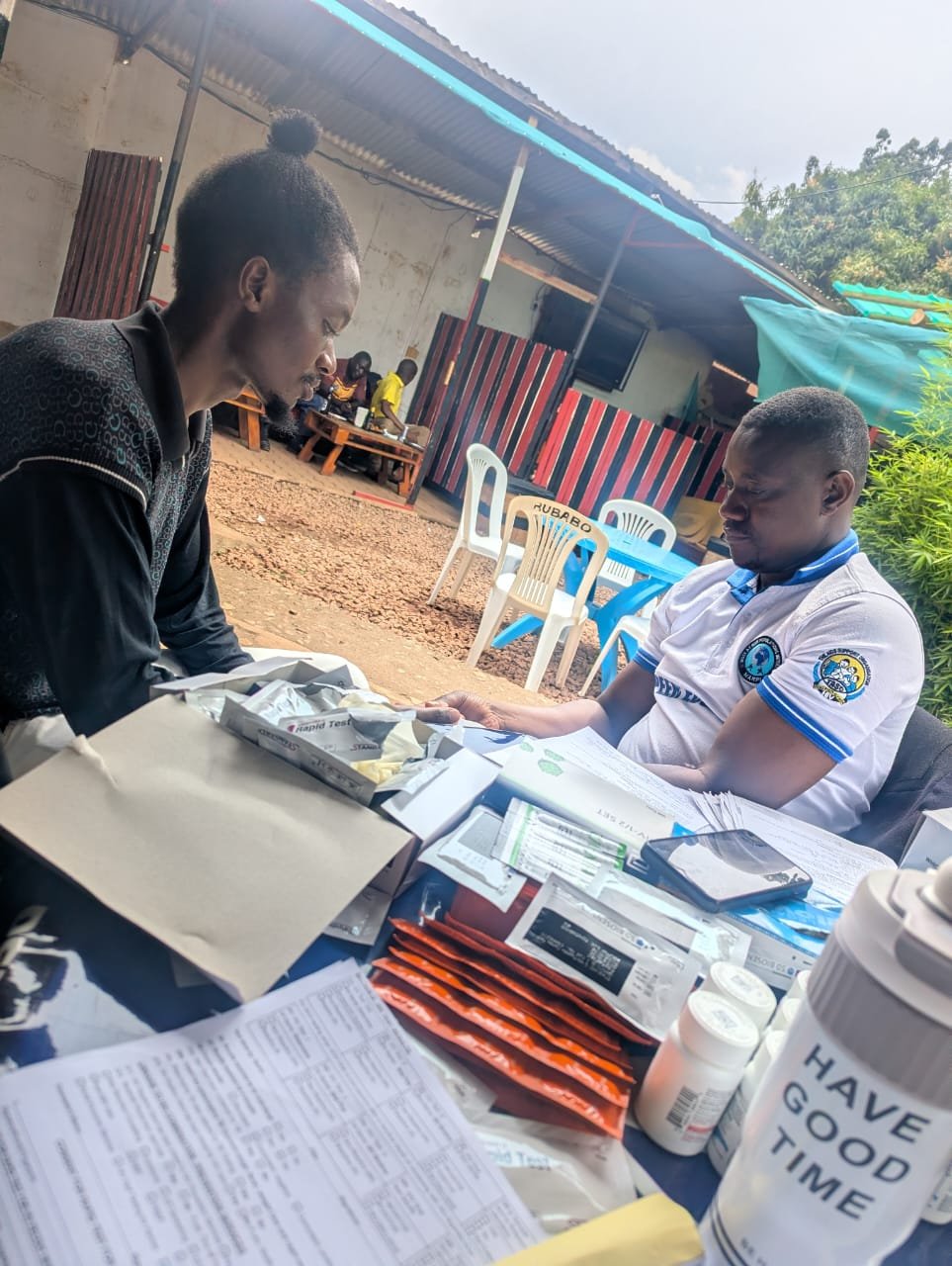
Combination prevention linking testing, PrEP, condoms, HIVST, PEP and integrated health services.
Understand how it works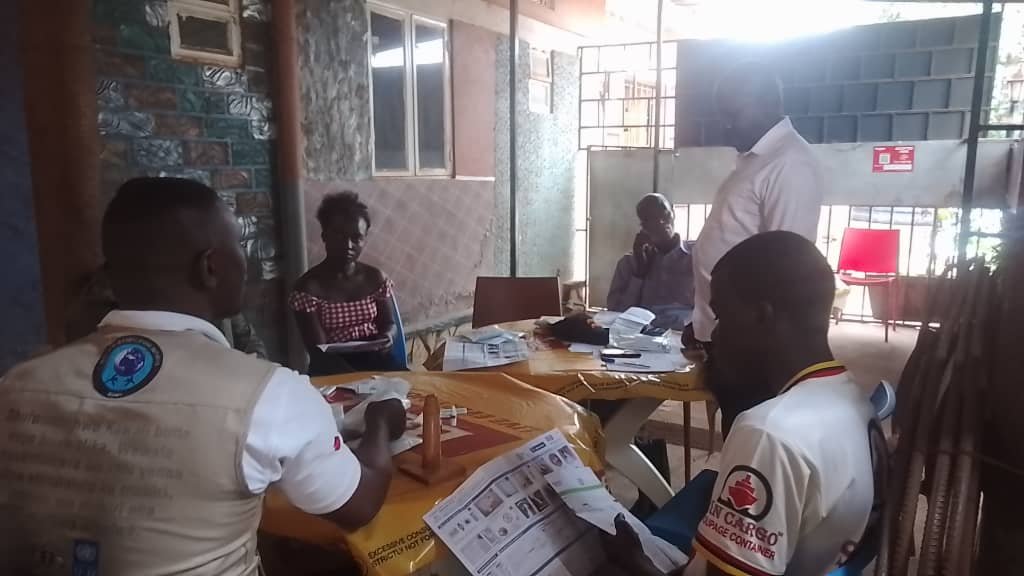
Coordinated, integrated services delivered closer to communities with DIC and facility referral.
Understand how it works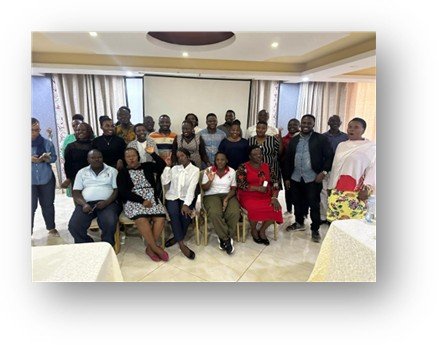
Community-Led Monitoring, stronger community organisations, community dialogues, stakeholder engagement and issue-based advocacy.
Understand how it works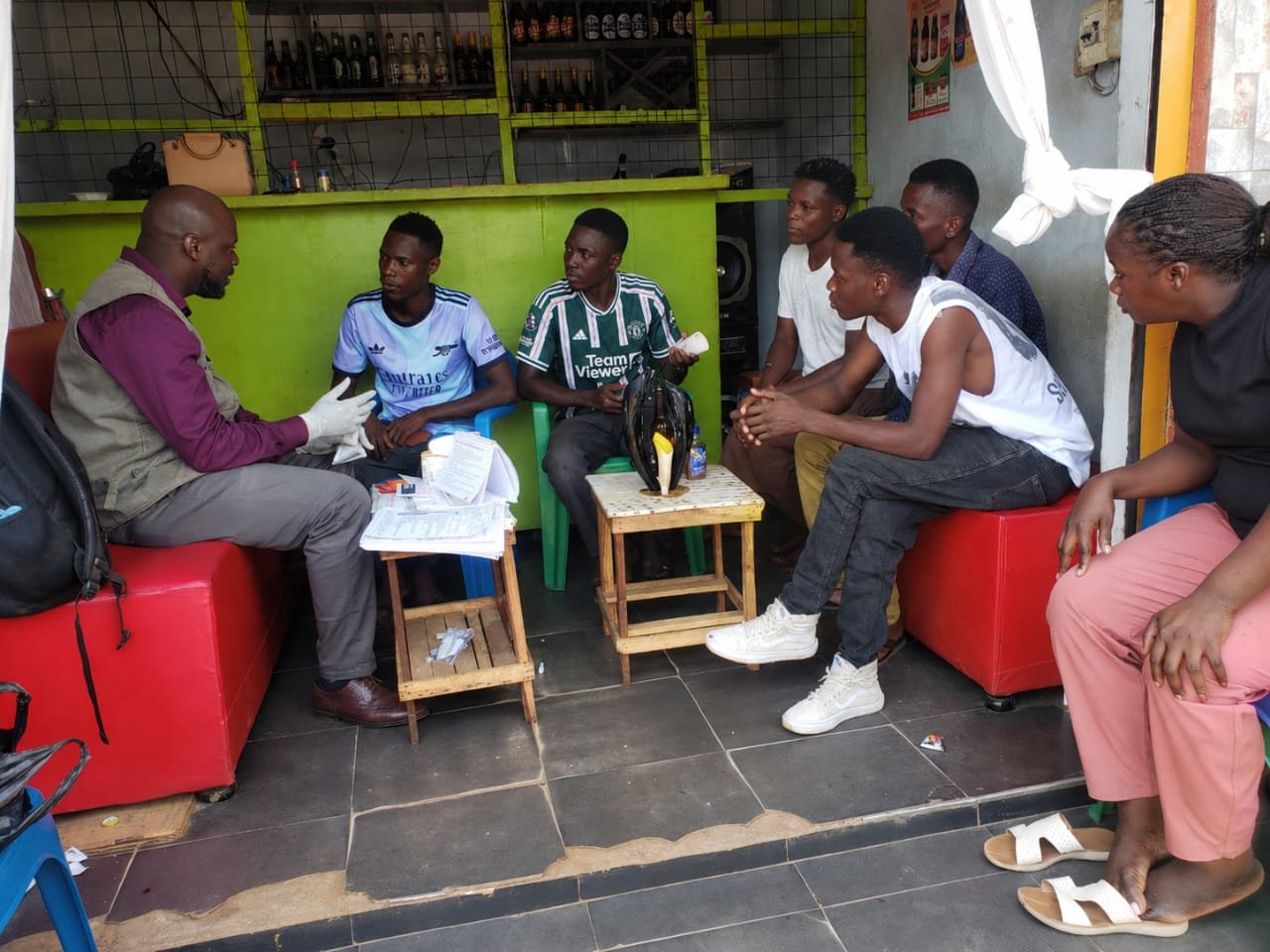
Peer-led demand creation, supported referral, follow-up, adherence and retention.
Understand how it works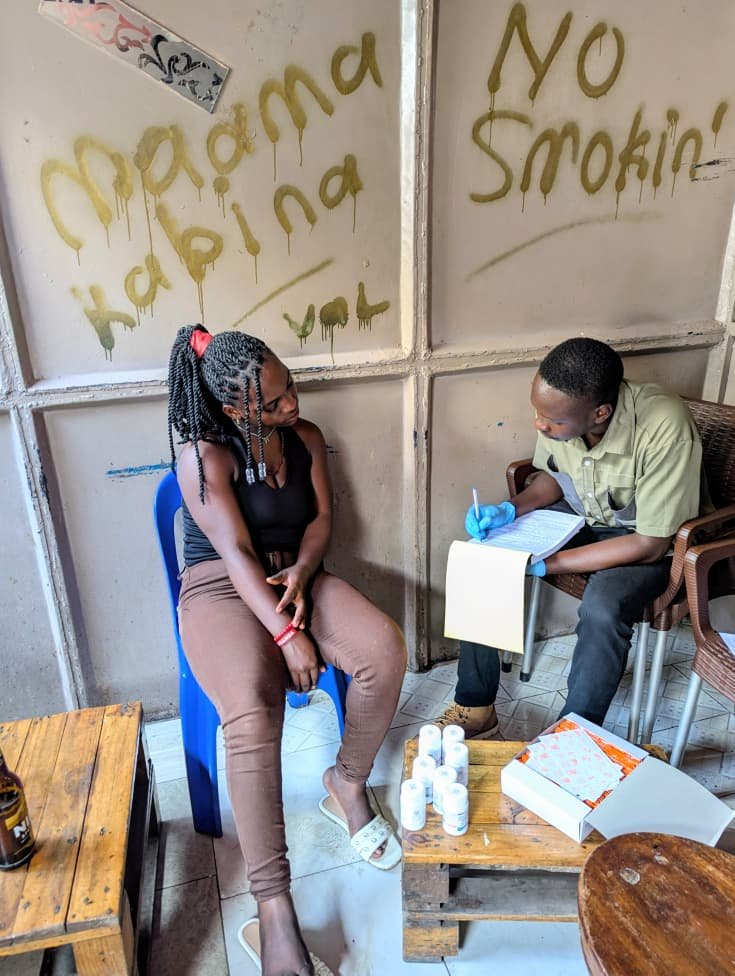
Voluntary partner services that connect eligible contacts to testing, prevention and treatment.
Understand how it works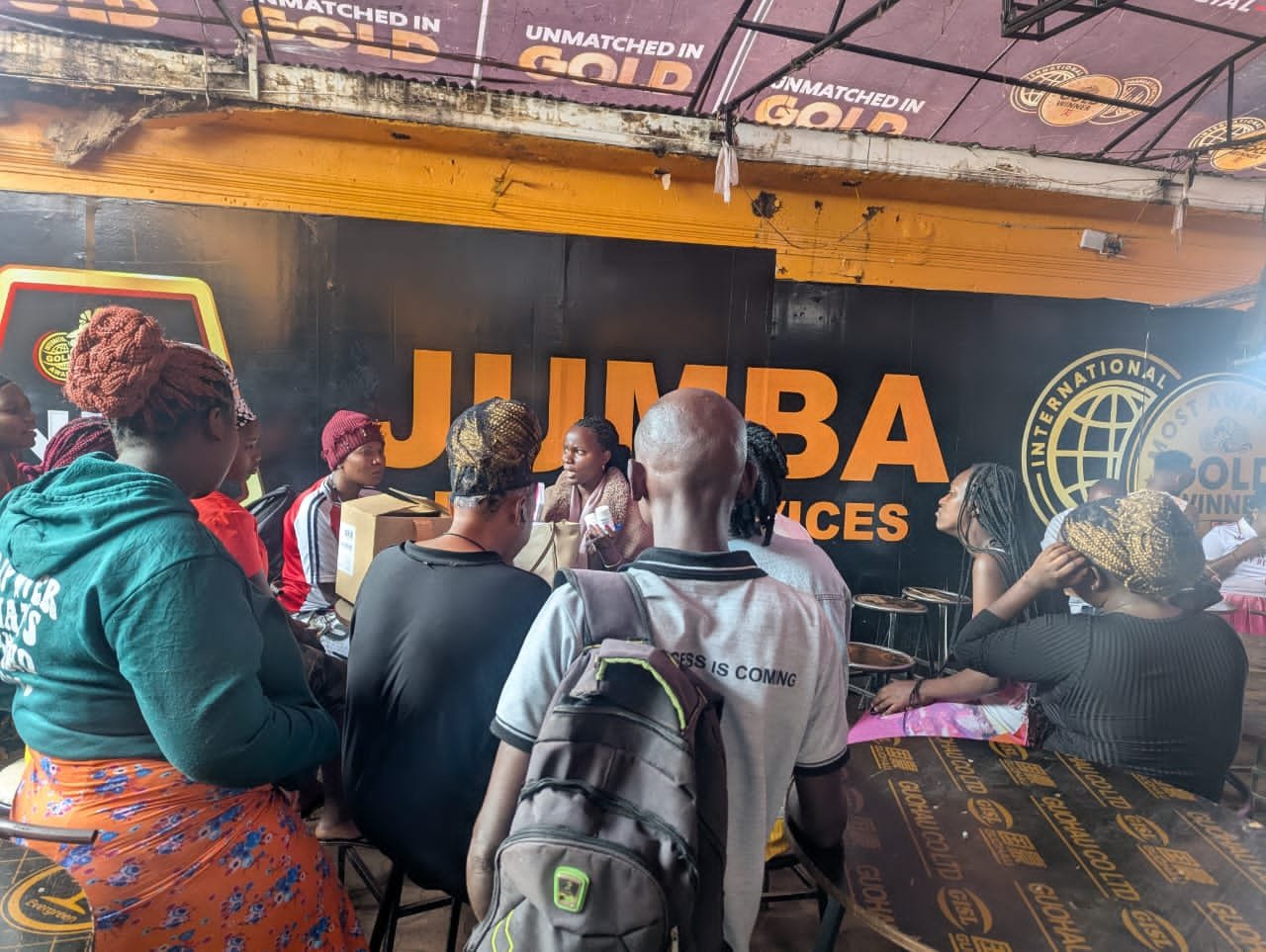
Trusted-network recruitment to reach people who may be missed by routine HIV testing.
Understand how it works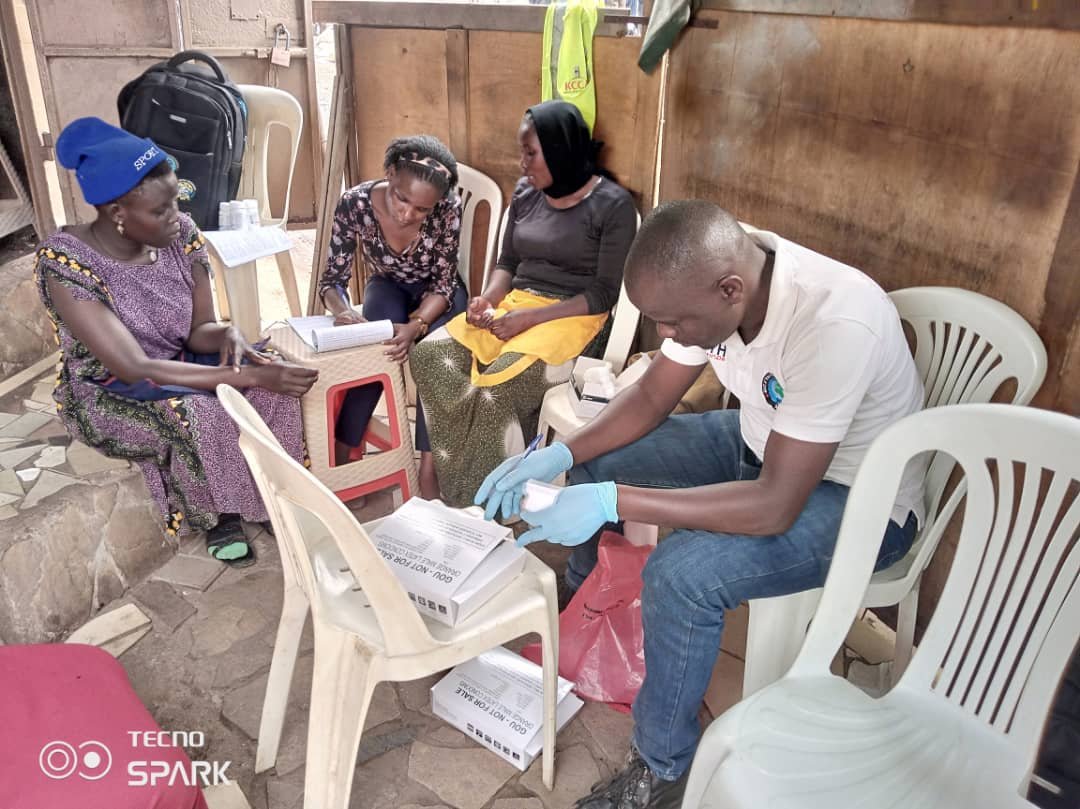
Tailored biomedical, behavioural and structural interventions for underserved communities.
Understand how it works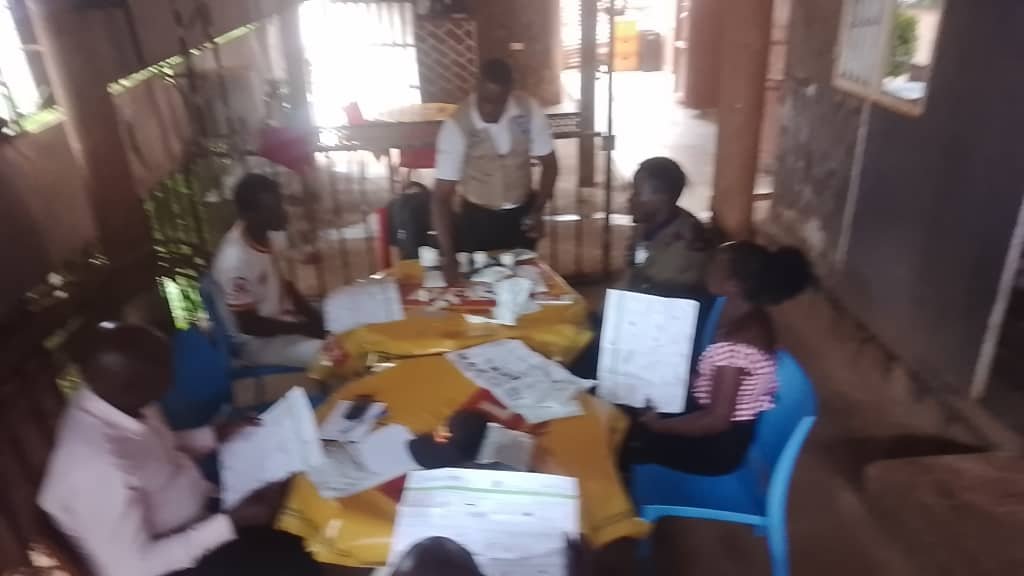
Implementation research, pilots, digital approaches, monitoring and evidence-to-practice learning.
Understand how it worksMARPI IMPLEMENTATION SYSTEM
Across programmes, MARPI repeatedly uses a common implementation pathway that links communities to quality services and then uses evidence to improve the response.
Engage peers, CBOs, clients and local stakeholders; use dialogue and Community-Led Monitoring to understand barriers and shape solutions.
Coordinate districts, facilities, DICs, hotspots, community structures and service packages.
Use peers, community dialogue and trusted networks to create demand.
Provide or link HIV/TB/STI/SRHR prevention, testing, care and treatment.
Support linkage, retention, adherence, psychosocial support and re-engagement.
Use HMIS/programme data, supervision, feedback and research to improve delivery.
COMMUNITY EMPOWERMENT IN PRACTICE
MARPI's 2025 Global Fund work strengthened community systems through CLM, CBO/CSO capacity building, community dialogues and stakeholder engagement.
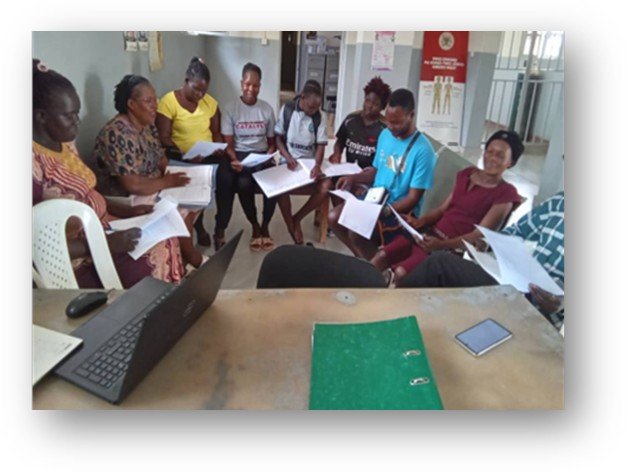
Communities collect and analyse service experience, validate findings, advocate around identified gaps and follow up agreed actions.
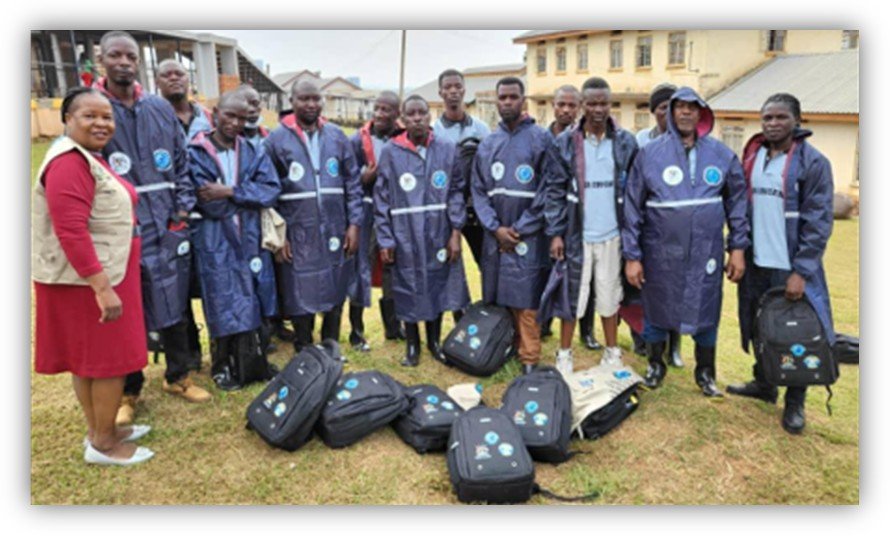
Mentorship, coaching, supportive supervision and organisational strengthening improve community systems and service quality.
Peer-led, safe discussion platforms support information sharing, community feedback and access to prevention services.
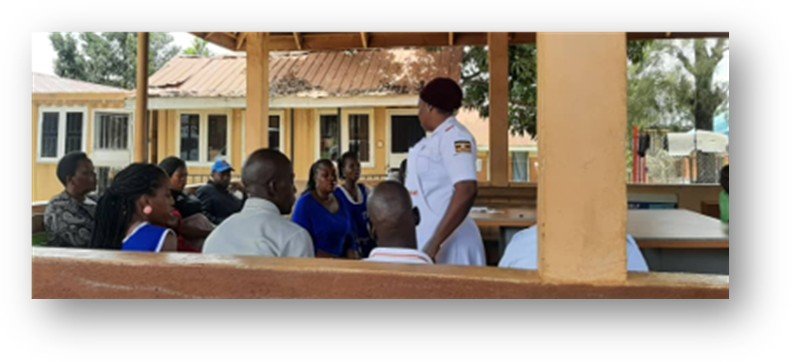
Districts, facilities, DICs, CBOs/CSOs and partners jointly validate issues, coordinate responses and strengthen referral and accountability.
2025 IMPLEMENTATION PORTFOLIO
MARPI's Annual Report describes major projects that funded or strengthened different parts of the programme model during 2025.
MARPI implemented Global Fund GC7-supported activities as a sub-recipient of TASO, combining CBO/CSO capacity strengthening, community-led monitoring, integrated outreaches, community dialogue, referral and service-quality support.
A five-year initiative implemented by MARPI as a sub-recipient of Reach Out Mbuya Community Health Initiative, supporting HIV/TB prevention, testing, care and treatment in the Kampala region.
A 24-month consortium led by MARPI from January 2024 to December 2025, combining service access, health-provider/CBO capacity, structural-barrier reduction and strategic information/learning.
Through the Local Service Delivery for HIV and AIDS Activity, MARPI provided onsite mentorship to PNFP, faith-based and civil-society organisations to strengthen quality HIV/TB service delivery, ownership and sustainability.
Project summaries are based on the MARPI Annual Report 2025.
Clients can enter through outreach, peers, DICs or facilities and be linked to the right prevention, treatment, SRHR or referral service.