Recruit & Prepare Peers
Identify and orient trusted community peers, champions and navigators.
MARPI PROGRAMMES
Trusted relationships that help clients move through the health system.
MARPI uses peer educators, peer leaders, champions and community networks to create demand, support referrals, improve retention, provide practical health information and reconnect clients to services.
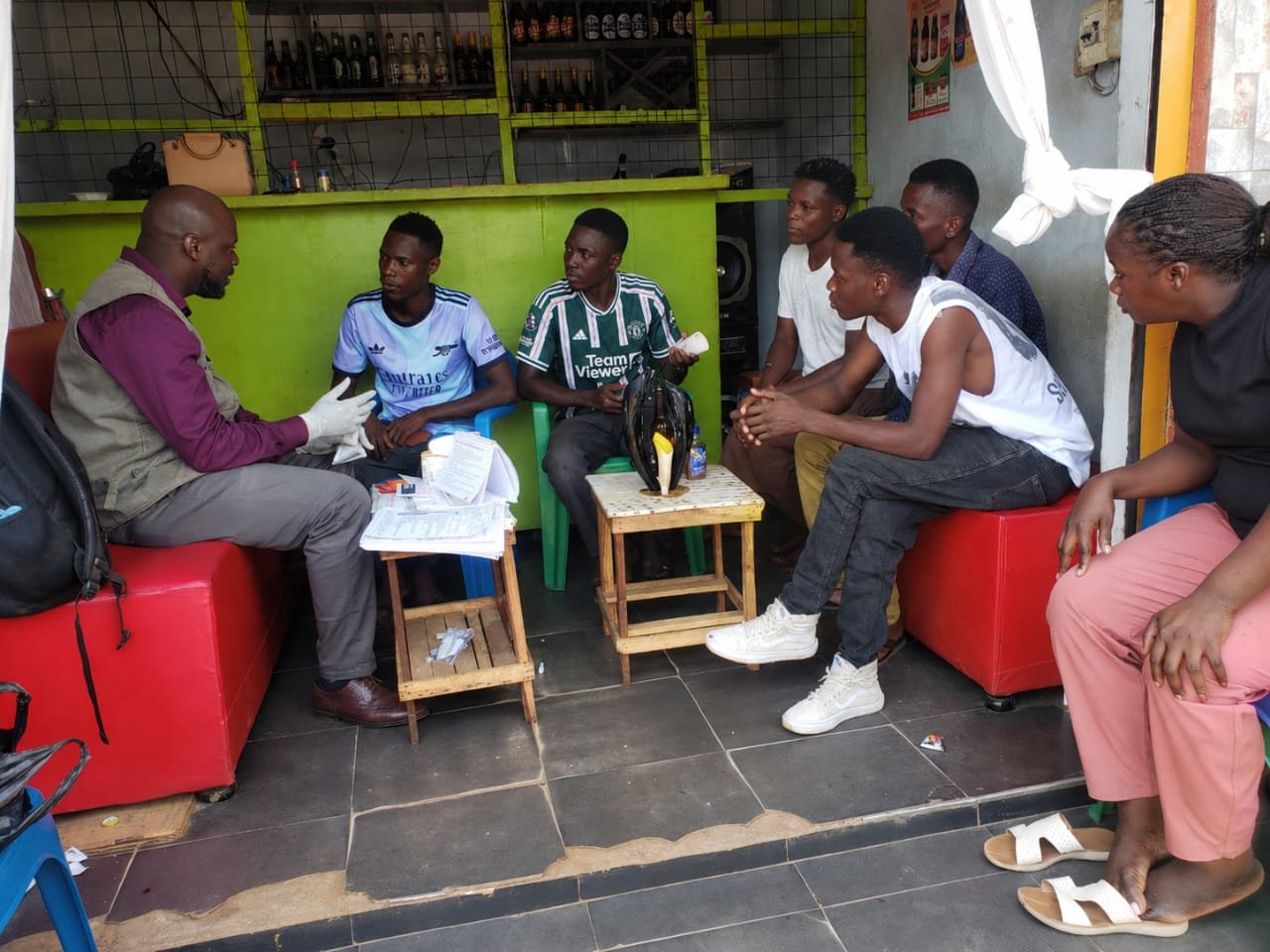
WHAT THE PROGRAMME DOES
MARPI combines community relationships, health-facility systems, differentiated service delivery and routine data so programmes do not stop at mobilisation—they connect people to prevention, treatment, referral and follow-up.


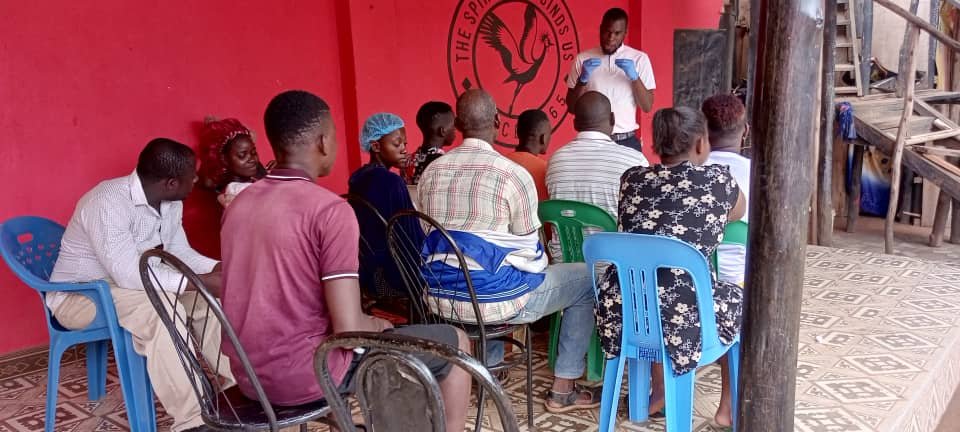
IMPLEMENTATION MODEL
The programme is organised as a connected pathway from understanding community need to delivering services, following up clients and using data for improvement.
Identify and orient trusted community peers, champions and navigators.
Peers provide clear information and listen to barriers, preferences and concerns.
Guide clients to the right DIC, outreach or health facility service.
Where needed, accompany or actively connect clients to providers.
Check whether services were received and support retention or re-engagement.
Use peer feedback and routine data to improve service responsiveness.
CORE COMPONENTS
These are the main operational components clients, communities and partners are likely to see during implementation.
Peers share targeted health information in ways that are relevant to their communities.
Clients are guided through testing, PrEP, ART, STI, SRHR and referral pathways.
Follow-up addresses missed visits, treatment barriers and prevention continuity.
Peers identify social and emotional barriers and link clients to additional support.
Peer relationships are intended to make services easier to approach while protecting dignity and privacy.
Peer navigation connects community structures with health workers, DICs and facilities.
CONNECTED PROGRAMMES
MARPI programmes are designed to reinforce each other rather than work as separate silos.
Use Care Connect for services, or contact MARPI to reach a DIC, programme team or referral point.